







Search Results for: pour and create patterns

Latte Art Tutorial: Operational Differences Between Leaf Patterns and Layered Hearts, and a Detailed Guide to Creating Latte Art
After mastering the basic heart and the more advanced multi-layered heart, the leaf pattern is another hurdle to overcome in latte art practice. It may look similar to the multi-layered heart, but in reality there are clear differences in milk foam condition, the amount of integration, the pour point, and the swinging method. This article will break down the key points of making leaf latte art one by one, from milk foam thickness, the amount of milk used for integration, the pour point for creating the pattern, and swinging techniques to the complete hands-on steps. It will also explain the impact of different pitcher capacities on the process, and how to find the right position for creating the design by adjusting the amount of integration. Front Street Coffee suggests first practicing repeatedly with dish soap and soy sauce, and once the technique is proficient, then using milk and espresso for real practice, so you can pour a leaf pattern with clear stripes and a beautiful finish. [more…]
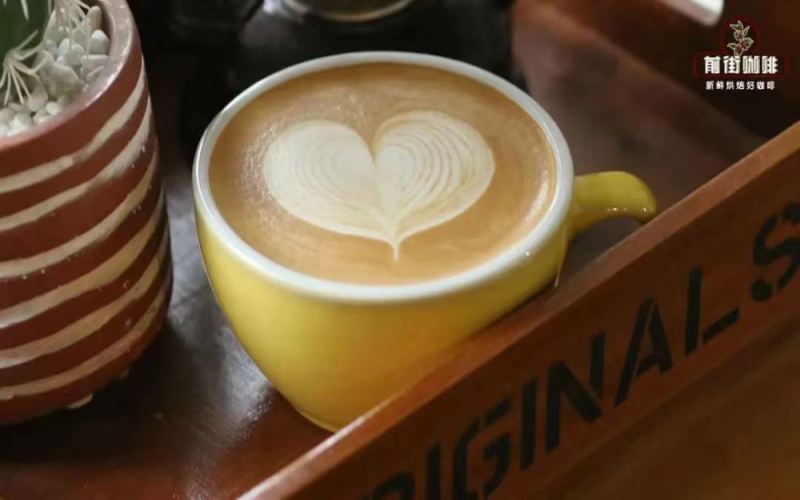
Latte Art Hearts from Scratch: Espresso and Milk Foam Techniques and Key Principles for Pouring Patterns
Latte art is a direct reflection of a barista's comprehensive skills. Behind a seemingly light and airy pattern lies the layered coordination of espresso quality, milk foam condition, and pouring technique. From the practical perspective of Front Street Coffee, this article systematically explains the prerequisites and operational details of heart-shaped latte art: how to choose an espresso blend suitable for latte art, how to use a steam wand to create fine and smooth latte milk foam, and the specific application of the five pouring principles—integration, pouring point, convection, and finishing. Whether you are a beginner just starting with latte art or an experienced hand looking to correct your movements, you can find actionable references here to gradually pour a full and clean heart-shaped pattern. [more…]
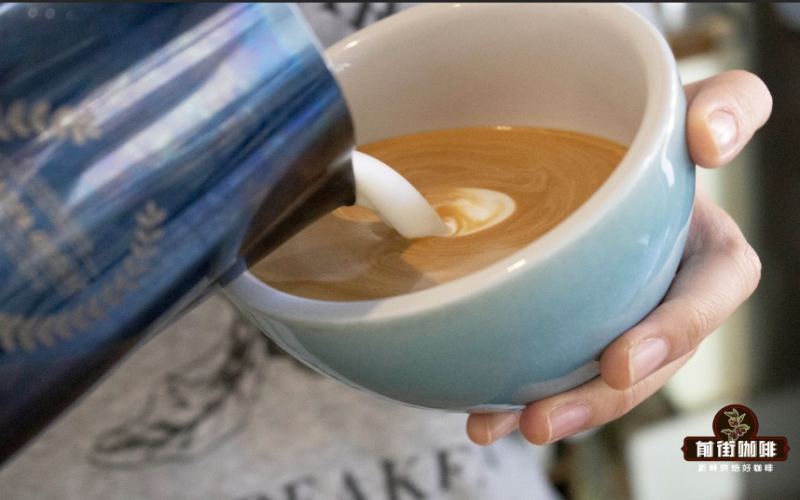
Latte Art Composition Techniques: Three Major Causes and Solutions for Off-Center Patterns
In coffee latte art, the beauty of a pattern depends not only on smooth lines but also on whether the composition is reasonable. Centered composition is the most common approach, as it highlights the sense of stability of symmetrical patterns. However, many beginners find that their latte art patterns always deviate from the center. Front Street Coffee points out that this is mainly caused by three reasons: milk foam that is too thin leading to excessive fluidity, pouring back into the cup too quickly increasing the impact force, and an incorrect drop point. This article will analyze the causes of and solutions to these problems one by one, while also emphasizing the importance of choosing suitable coffee beans, and recommending two products, Front Street Classic Blend and Commercial Blend, to help you create centered and beautiful latte art at home. [more…]
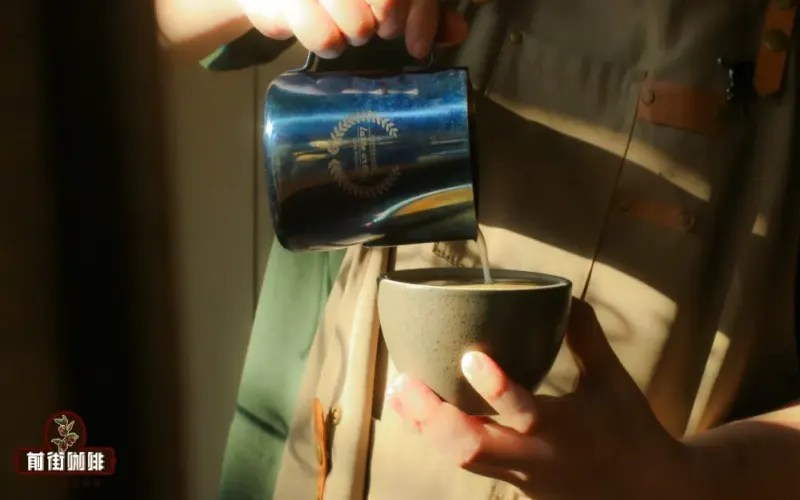
Analysis of the Core Elements of Latte Art: The Mechanism of Pouring Distance and Flow Rate, and Practical Techniques for Heart, Rosetta, and Tulip Patterns
Many coffee enthusiasts, when first learning latte art, assume that simply watching the motions will allow them to easily replicate patterns—Front Street Coffee once thought the same way. Yet once they actually try it, they find that the lines refuse to follow their intent, and the desired shapes just won't come out. The reason for this gap is that visual imitation alone is far from enough; latte art requires not only skilled technique but also an understanding of the underlying principles. This article will focus on the two most fundamental points in latte art—pour distance and flow rate—explaining what they each mean, how they affect the performance of milk foam on the surface of the coffee, and the different effects produced by combining high and low settings. Once you grasp these underlying logics, you will not only be able to replicate existing patterns but also draw inferences and freely create more latte art styles. [more…]
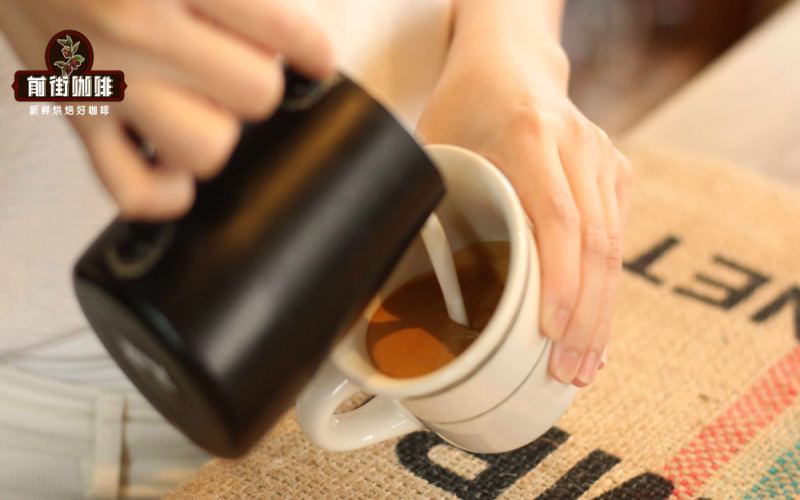
How do you make a heart latte art? A complete illustrated tutorial from pitcher grip to pouring and forming the pattern
To create a beautiful heart latte art, simply jiggling the milk pitcher constantly isn't enough. Many coffee enthusiasts practicing often feel they are clumsy, but the problem usually lies in how they hold the pitcher, the pouring technique, and the oils in the coffee beans. This article starts with the principles of latte art, explains two practical pitcher-holding postures in detail, and breaks down the two key steps of incorporating and drawing, helping you build stable muscle memory. It also explains why Front Street Classic Blend and Front Street Commercial Blend can provide ideal espresso crema, making latte art smoother. [more…]
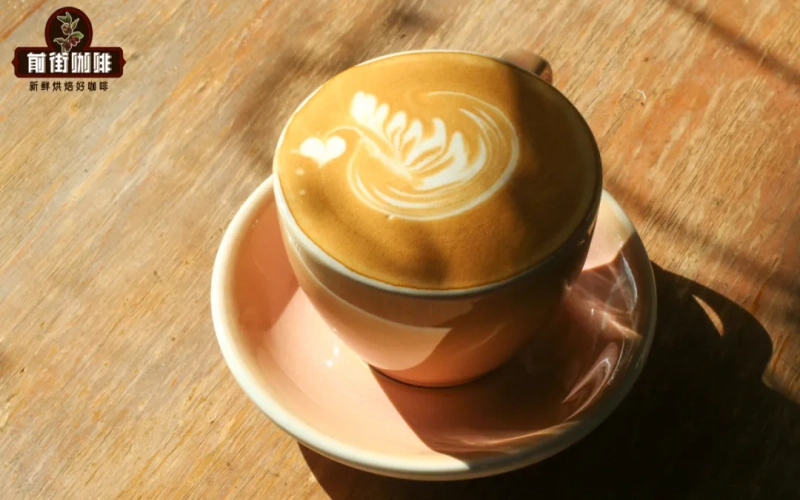
Latte Art Etching Tutorial: Milk Foam Thickness and Integration Techniques Explained, Espresso Bean Selection Guide
Latte art is the initial inspiration for many coffee enthusiasts, and textured patterns are the advanced technique that baristas dream of mastering. It involves continuously swinging the milk pitcher to pour steamed milk, pressing white lines into elegant arcs and making the pattern more artistic. However, many people practicing textured patterns always fail to create clearly defined lines with distinct layers. This article, based on Front Street's practical experience, will provide a detailed analysis of the three key areas to master when creating textured latte art: controlling milk foam thickness, managing the degree of integration, and the distance between the pitcher spout and the liquid surface. At the same time, it will also share recommendations for choosing espresso beans suitable for latte art, helping you practice beautiful textured patterns at home as well. [more…]

From Accidental Hearts to 3D Patterns: The Evolution of Coffee Latte Art and Its Tools
Latte art, commonly known as "milk art," is the craft of creating exquisite patterns on the surface of a cup after espresso and steamed milk intermingle. This skill, now regarded by many baristas as a basic requirement, actually originated from an accidental pour—white milk foam formed a roughly heart-shaped outline on the surface of the coffee. Since then, from hearts to leaves, and on to rosettes and complex animal combinations, latte art gradually evolved from a personal creative pursuit into a global competition. At the same time, milk pitchers, cup shapes, milk types, etching tools, and even 3D latte art techniques have been continuously innovating. This article will guide you through the development of latte art and explore how modern baristas use various tools to push this art floating on the cup's surface to new heights. [more…]
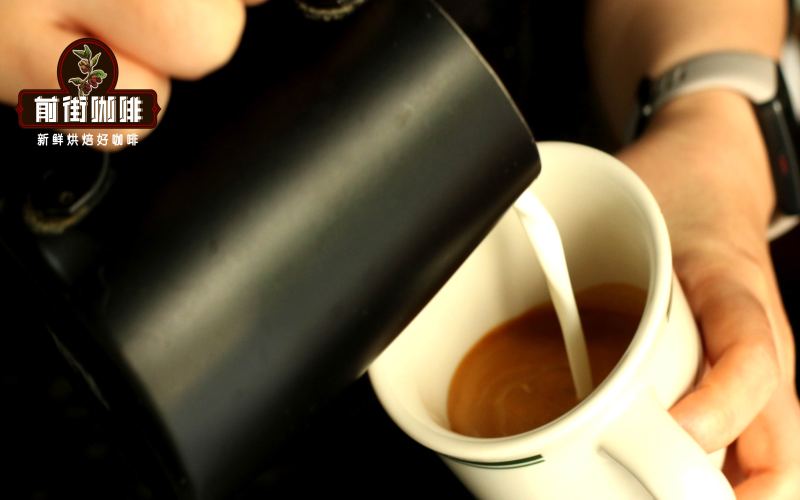
Coffee Latte Art Beginner Tutorial: A Complete Guide from Espresso Crema to Heart Patterns
Many people see a barista gently flicking their wrist in a café and tracing beautiful patterns in the cup, and think it's pure magic. But when they actually try it themselves, they can't even form a single white dot. In fact, latte art is not the exclusive domain of the naturally gifted—as long as you master a few core steps, anyone can make a decent heart pattern. This article will break down the key steps of latte art one by one, from the crema state of the espresso, the steaming of fresh milk, the technique of integrating coffee and milk, to the specific skills of pouring a heart. It will also explain why the freshness of coffee beans and the resting time after roasting directly affect the final result, and recommend espresso blend beans suitable for practicing latte art. Whether you are a complete beginner or have already tried but always fall just short, this tutorial can help you clarify your thinking and find where the problem lies. [more…]
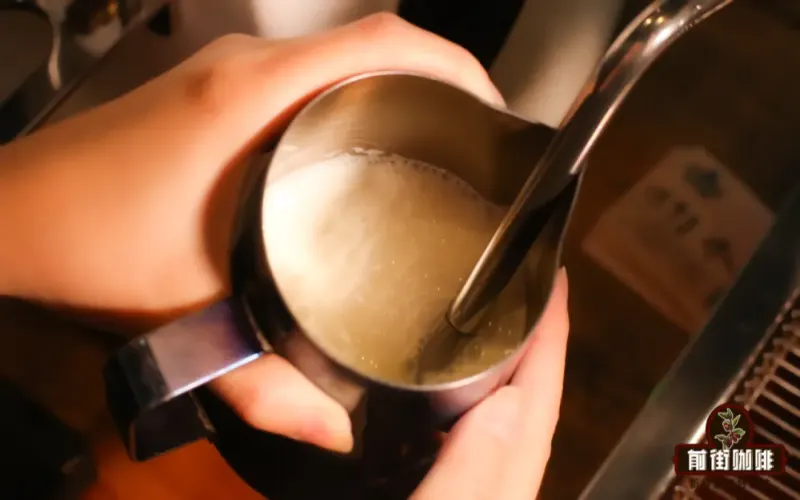
How to practice latte art from zero basics? Latte art techniques and common issues explained
To learn latte art from scratch, repeated practice alone isn't enough—identifying the reasons behind your failures is key. This article systematically breaks down the common latte art pitfalls for beginners, covering espresso and crema, the principles of milk frothing, pouring techniques, pitcher positioning, and tips for efficient practice. It also uses two coffee beans—Front Street Classic Blend and Front Street Commercial Blend—to explain how crema and milk foam together determine the final pattern, and provides a progressive practice path that goes from fresh milk to water and back to milk, helping coffee enthusiasts avoid unnecessary detours. [more…]
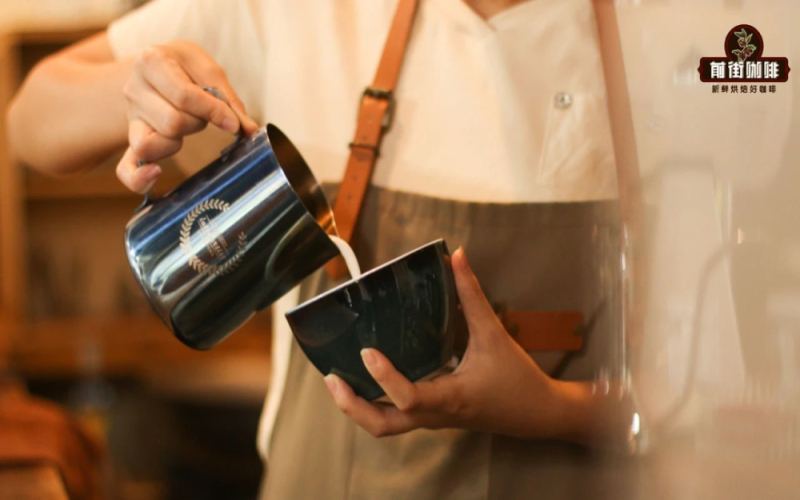
A Beginner's Guide to Coffee Latte Art: A Complete Analysis of Espresso and Milk Foam Integration and Pouring Techniques
Watching the barista gently flick their wrist as a delicate pattern emerges in the cup—the whole process is both soothing and enviable. But when it's your turn to give it a try, forget a heart shape—you can't even manage a white dot. In reality, latte art isn't some exclusive magic reserved for baristas. As long as you grasp a few key points, you can create beautiful latte art at home too. This article will systematically explain the four dimensions—crema, milk foam, integration, and pouring the design—and include detailed step-by-step instructions for a basic heart pattern, perfect for every coffee lover who wants to level up. [more…]
Does latte art affect the flavor of a latte? What key points should be considered when creating patterns in the preparation of hot Italian milk coffee?
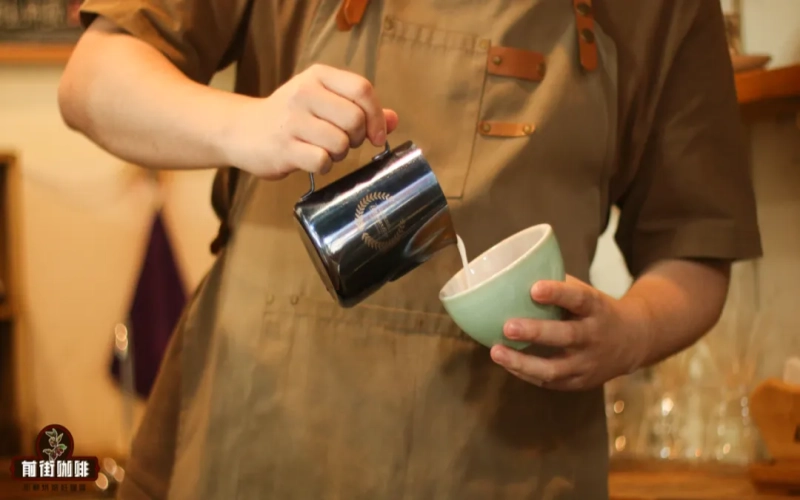
Many coffee enthusiasts wonder whether latte art actually changes the taste of a latte. Starting from the factors that determine the flavor of milk coffee, and drawing on Front Street Coffee's own tests, this article explains that latte art has almost no effect on mouthfeel. On this basis, we go on to explore why hot milk coffee still needs latte art—the visual appeal and emotional value it brings often take effect before the guest even takes a sip, and directly influence purchasing choices and evaluations of the drink. For commercial offerings, latte art is an important way to convey thoughtfulness; when drinking at home, however, it is enough to ensure the quality of the beans and the extraction—whether or not to pour latte art is entirely a matter of personal preference. [more…]

Introduction to Latte Art for Espresso: Master the Four Core Techniques of Height, Posture, Flow, and Control
Creating exquisite patterns on the surface of espresso is not out of reach, but the fluid dynamics when milk and coffee liquid meet truly require careful study. This article breaks down latte art techniques into four key elements: height, posture, flow rate, and control, helping coffee enthusiasts master the essentials step by step. From the initial height of pouring milk foam to the subtle swinging of the pitcher spout, from precise control of flow rate to the rhythmic variations of different patterns, each step is accompanied by specific operational instructions. The article also specifically mentions relevant product information from Front Street Coffee, providing readers with practical references. Whether you want to make a classic heart shape or challenge the Rosetta and tulip, these basic exercises are worth repeated study. [more…]
Master the Basics of Heart Latte Art: A Comprehensive Guide from Espresso Extraction to Pitcher-Holding Posture
Many coffee enthusiasts encounter the same confusion when first learning latte art: why is it that the milk foam is whipped decently, yet they still can't pour a clear pattern? The problem may not lie in your technique, but rather in foundational elements like the pitcher-holding posture, integration technique, and coffee bean selection not being in place. This article will systematically explain the key points for creating a perfect heart-shaped latte art, including how to choose an espresso with rich crema, the basic principles of latte art, two practical pitcher-holding methods, and operational details for integration and pouring the pattern. It also recommends two coffee beans suitable for latte art practice—Front Street Classic Blend and Front Street Commercial Blend—to help you develop stable muscle memory within 20 days, so that every cup of latte can present a beautiful heart-shaped pattern. [more…]
Master Latte Art from Scratch: A Complete Breakdown of Hand Gestures and Steps, Plus Efficient Practice Methods for Beginners
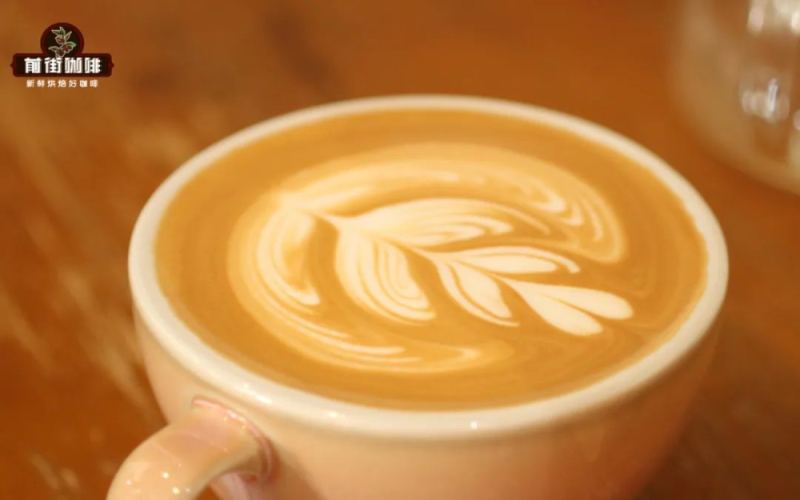
To make a hot latte with beautiful latte art at home, drinking coffee alone is not enough—the key lies in mastering milk frothing and latte art techniques. From the perspective of Front Street, this article first introduces the origins and proportions of latte coffee, then gradually breaks down the two major stages of latte art: integration and pouring, and explains in detail the air intake and texturing steps of milk frothing. The article also includes efficient practice tips to help you transition from practicing with water to working with real milk, so you can avoid detours and quickly pour basic patterns like hearts and tulips. [more…]
Latte Recipe Ratio | How Can Coffee Beginners Practice Italian Latte Art Patterns at Home? What Details Should Be Noted When Creating Latte Art Designs?
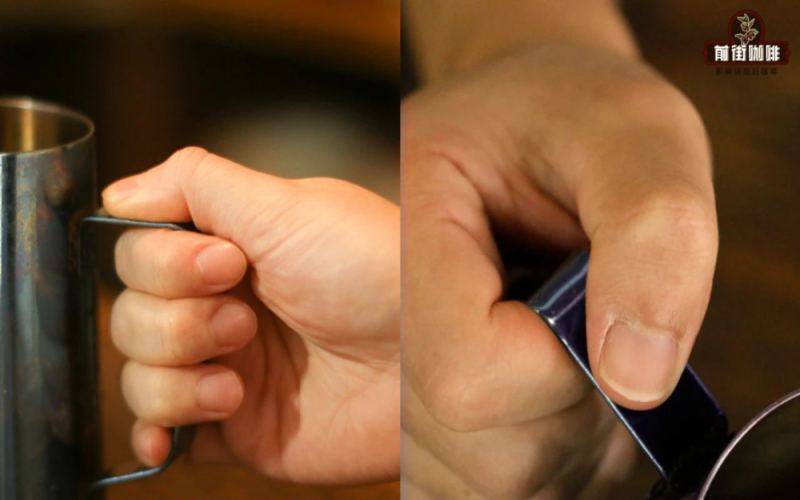
A friend asked Front Street Coffee how to practice the pitcher movement for patterned latte art. This article serves as a supplement to "How can you pour beautiful patterned lines?" If you haven't read it yet, you can click the link to take a look first; this article won't repeat the content covered there. The first issue: if your pour is asymmetrical, there is only one possible [more…]
Espresso Latte Art from Beginner to Pouring Patterns: Milk Frothing Techniques and Five Core Principles Explained with Illustrations
Latte art is one of the most important skills for a barista. A beautiful cup of latte art may look effortless, but behind it lies repeated practice and accumulated experience. This article, from the practical perspective of Front Street Coffee, systematically explains the foundational points of espresso latte art: how to choose espresso beans suitable for latte art, how to steam fine and smooth milk foam, and five key details in the milk steaming process. It then further breaks down the five core principles of pouring latte art patterns, including the integration technique, high and low pouring, the trajectory of the pour point, the rhythm of the wobble, and the finishing technique, using a heart pattern as an example for an illustrated demonstration. Whether you are a complete beginner or an enthusiast hoping to improve your consistency, you can find actionable directions for practice here. [more…]
Latte Art Guide: From Pouring Point and Swirling Control to Step-by-Step Tutorials for Tulip and Leaf Patterns
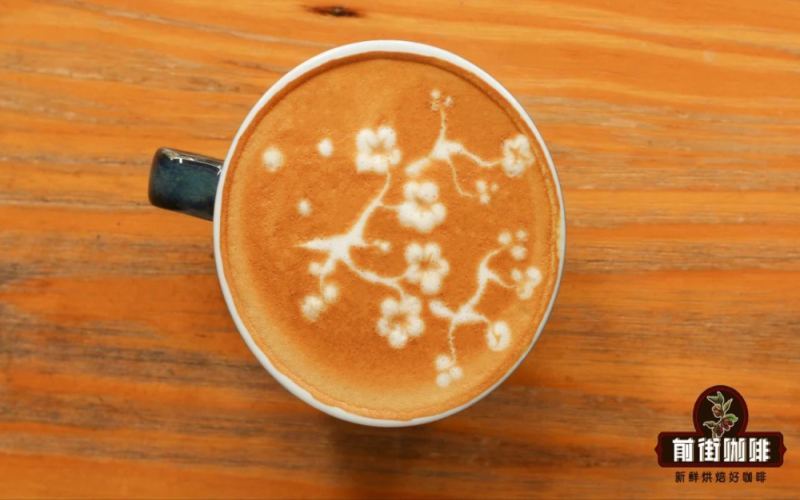
Latte art encompasses three categories: free pouring, etching, and printing. Of these, free pouring and etching are together known as milk latte art—free pouring creates the pattern directly through wrist control while pouring hot milk, whereas etching uses chocolate sauce and tools such as toothpicks and bar spoons to refine the details. Free pouring is the foundation, and etching is the辅助 (auxiliary); the former tests technique, the latter tests creativity. To master milk latte art, one typically goes through five stages: choosing the right milk pitcher and coffee cup, practicing flow control, becoming familiar with basic patterns, hands-on practice, and then further refinement and improvement. This article will use two basic patterns, the tulip and the leaf, as examples to break down key techniques such as the position of the pour point, the flow rate, and the rhythm of the swing, and explain how to use 【Front Street Specialty Blend】 to extract espresso suitable for latte art. [more…]
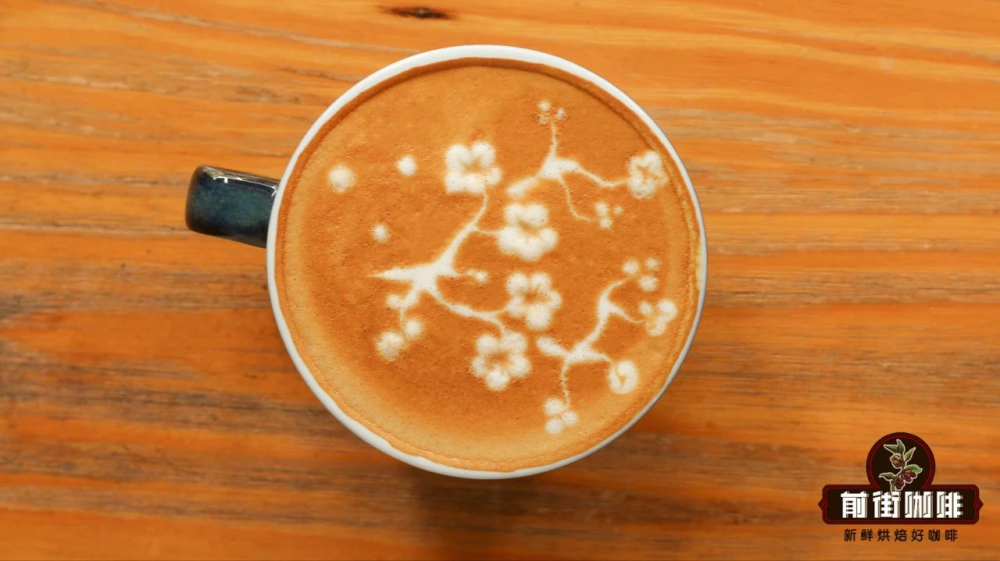
Latte Art | What is latte art? How do beginners make latte art? What are the techniques for making a tulip pattern?
Latte art mainly includes three forms: free pouring, etching, and stenciling. Stenciling uses a stencil to sprinkle cocoa powder, chocolate powder, or cinnamon powder onto the coffee to create a pattern. Free pouring and etching are collectively known as Latte Art; the former involves pouring hot [more…]

Why Is Your Latte Art Never Full Enough? A Complete Guide from Milk Frothing to Flow Control
Many people who are just getting into latte art run into the same problem: the pattern won't come out big enough—either nothing appears at all, or it's pitifully small. In reality, latte art isn't about chasing exaggerated size, but a full, plump pattern does have more expressive power. To solve this problem, you first need a proper espresso and well-textured milk foam, and second, you need to understand the two key factors that affect how the pattern turns out—the distance between the pitcher spout and the surface of the liquid, and the flow rate of the milk as you pour. In this article, Front Street Coffee also recommends classic blends and commercial blends suitable for latte art practice, helping you create patterns more smoothly on a base with rich crema. [more…]
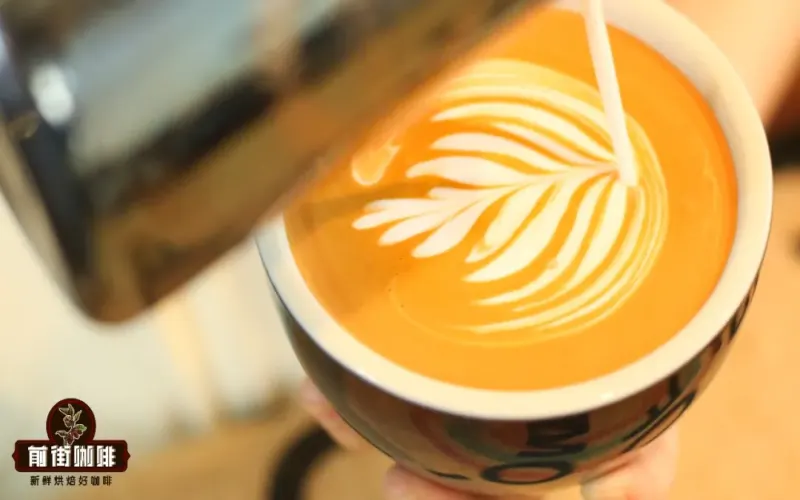
A Practical Guide to Latte Art on Espresso: How Crema Condition Affects Pouring and How to Adapt
To consistently create beautiful latte art, technique alone is not enough—the condition of the espresso crema is equally crucial. The freshness of the coffee beans directly affects the thickness and fineness of the crema: beans that are too fresh produce rough, clumpy crema, while beans left too long yield crema that is too thin, both of which make latte art much harder to pour. Starting from the condition of the crema, this article shares three practical adjustment techniques: scooping out some of the crema, thinning the milk foam, and pre-infusion, to help you pour patterns smoothly even when the coffee is not in ideal condition. It also introduces Front Street Coffee's Classic Espresso Blend, a bean specially formulated for espresso that produces rich crema and intense flavor, suitable for making latte art at home or in cafés. [more…]